Decoding Offer Code Mechanics for High-RTP Slot Selections Across Regulated Finnish Digital Gaming Platforms
Devon Lorenz · Aug 20, 2026
Decoding Offer Code Mechanics for High-RTP Slot Selections Across Regulated Finnish Digital Gaming Platforms
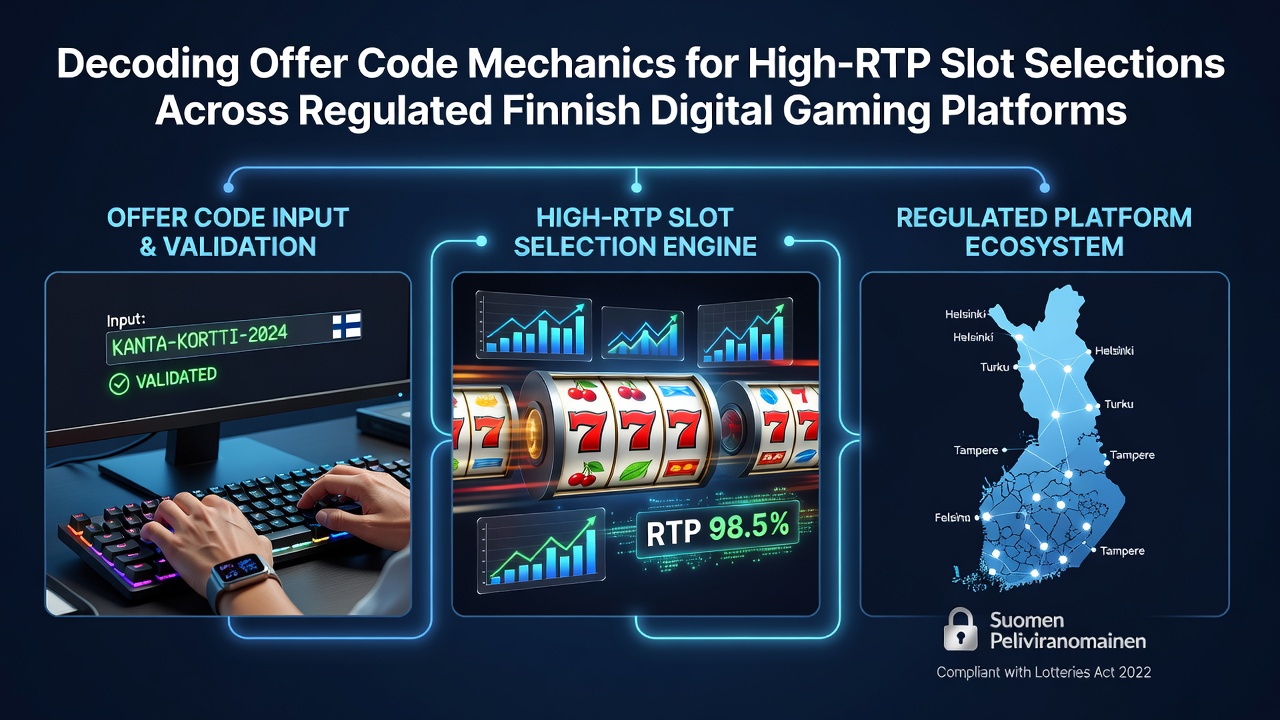
Regulated Finnish digital gaming platforms operate under strict national oversight that shapes how offer codes function in relation to high-RTP slot selections, and players encounter structured systems where promotional mechanics tie directly into game parameters such as return-to-player percentages. These platforms must comply with licensing requirements that dictate transparency around bonus codes, wager contributions, and eligible game lists, which means offer codes often activate only on slots meeting minimum RTP thresholds set by operators to align with regulatory standards.
Regulatory Framework Governing Offer Codes
Finnish authorities enforce rules through the National Police Board that require all promotional codes to display clear terms before activation, including restrictions on which high-RTP slots qualify for bonus funds. Data from government reports show that operators publish RTP values ranging from 95 percent upward for approved titles, and offer codes frequently include filters that prioritize these selections to maintain compliance with fairness obligations. Researchers at European academic institutions have documented how such filters prevent codes from applying to lower-RTP games, thereby directing player activity toward titles that statistically return more over extended play sessions.
Operators integrate offer code systems with backend databases that verify player eligibility in real time, cross-checking account status against lists of permitted slots before crediting any bonus. This process ensures that codes tied to high-RTP selections remain valid only within the regulated environment, where random number generators undergo periodic audits. According to figures released by the Finnish Institute for Health and Welfare, participation in code-activated promotions on compliant platforms has remained steady as verification layers reduce instances of mismatched game applications.
Mechanics of Offer Code Activation for Slots
Offer codes function through a sequence of steps that begin with player entry of an alphanumeric string at designated account sections, followed by automated validation that confirms the code matches active campaigns focused on high-RTP content. Once validated, the system allocates bonus amounts or free spins exclusively to slots whose RTP metrics exceed operator-defined benchmarks, often 96 percent or higher, as these selections appear in curated libraries maintained for promotional purposes. The allocation occurs via server-side scripts that update game interfaces instantly, allowing players to launch qualifying titles without manual adjustments.
Platform algorithms track code usage patterns across sessions, and data indicates that codes designed for high-RTP slots generate higher engagement rates because players recognize the statistical edge in prolonged play. Operators must log every code redemption in compliance reports submitted to oversight bodies, which creates traceable records that link specific promotions to individual game selections. This logging supports audits that verify whether high-RTP filters operate consistently across all regulated accounts.
Identifying High-RTP Slots Compatible with Codes
Players locate compatible slots by reviewing operator-provided RTP tables that accompany each offer code campaign, and these tables list titles alongside their verified percentages so users can match codes to suitable options. Regulated platforms display RTP information in game lobbies, and studies conducted by international research groups reveal that transparent disclosure correlates with more informed selections among participants. Offer codes sometimes include embedded parameters that automatically highlight matching games in search results, streamlining the process for those targeting elevated return rates.
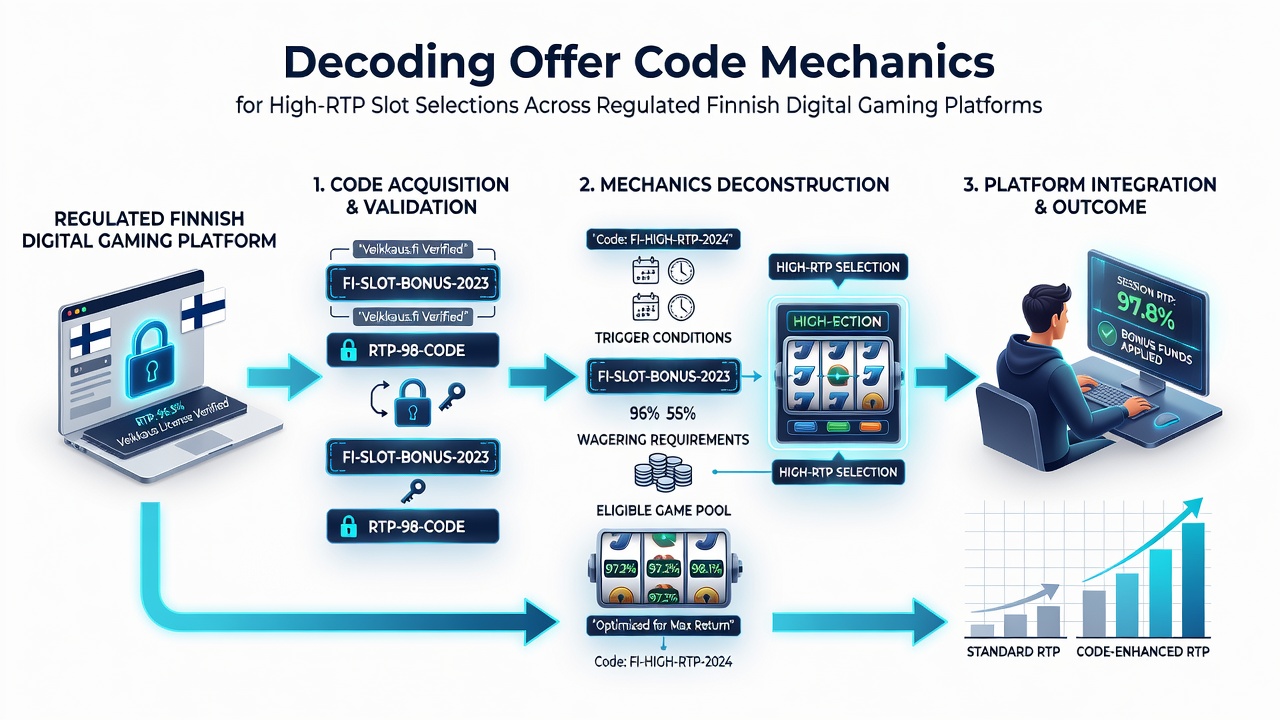
Selection mechanics extend to mobile and desktop interfaces where filters sort games by RTP value before code application, and operators update these filters monthly to reflect any adjustments in game portfolios. Evidence from regulatory filings demonstrates that platforms operating under Finnish jurisdiction maintain RTP documentation that aligns with European Union standards for consumer protection, ensuring codes do not promote undisclosed low-return options. Those who examine code terms notice that certain promotions exclude progressive jackpot slots even when RTP values qualify, because jackpot contributions fall under separate contribution rules.
Integration of Codes with Platform Systems
Backend integration allows offer codes to interact directly with slot servers, applying bonus multipliers only after confirming that the selected game meets RTP criteria embedded in the code definition. This integration relies on API connections between the promotion module and the game engine, which prevents mismatches that could violate licensing conditions. Reports from North American gaming research centers note similar verification layers in other jurisdictions, highlighting how Finnish systems emphasize pre-activation checks to maintain consistency.
Updates to code mechanics occur when operators introduce new high-RTP titles or revise existing ones, and these changes propagate through the platform within defined maintenance windows. Players receive notifications through account dashboards when code eligibility expands to additional selections, and the notification system draws from the same database that governs RTP listings. Such coordination keeps promotional activity aligned with teh latest audited game data.
Conclusion
Offer code mechanics on regulated Finnish digital gaming platforms center on precise linkages between promotional validation and high-RTP slot parameters, supported by regulatory mandates that enforce transparency and auditability. These systems deliver structured access to qualifying games through automated checks, documented procedures, and ongoing compliance monitoring that together define how codes operate within the national framework. Observers note that continued refinement of these mechanics reflects broader efforts to standardize promotional practices across compliant operators.